

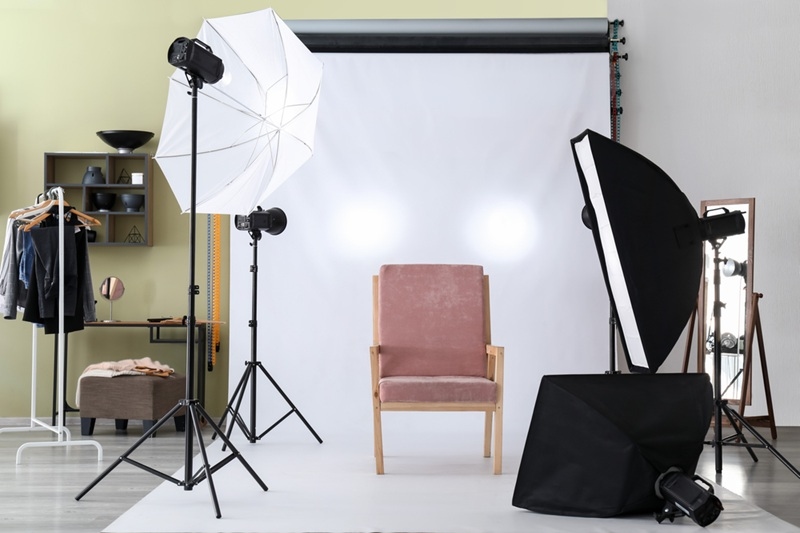
A great portrait is never only about the camera. The expression matters. The posing matters. The light matters most of all. That is why studio work can feel so different from shooting outdoors. In a studio, the photographer is not waiting for the light to cooperate. They are building it from scratch. That is exciting, but it also means the equipment matters more than many beginners expect.
The good news is that a strong portrait studio does not have to start with a huge budget or a room full of expensive gear. A few smart choices can create a setup that feels reliable, flexible, and professional enough to produce genuinely strong work. What matters is not owning everything. What matters is understanding what each piece of gear actually does and why it earns its place.
That is where portrait photography equipment becomes more than a shopping list. It becomes the foundation of how the whole session feels. Good equipment helps the photographer work faster, shape light more easily, and keep the subject comfortable through the shoot. When those things come together, the portraits usually improve in a very visible way.
If one part of the studio deserves the most attention, it is lighting. Cameras and lenses matter, of course, but portraits are shaped by light first. The mood, softness, shadow depth, skin tone, and overall polish of the image all depend on how the light is controlled.
That is why many photographers build their studio around studio lighting for portraits before worrying too much about anything else. A simple one-light setup can already do a lot when used well. A second light adds more control. A third can help create separation or background variation. Still, it is better to understand one or two lights properly than to own five lights and use them without intention.
A basic studio lighting kit often includes:
This kind of starting point is practical because it teaches the photographer how light direction changes the face, how shadows behave, and how softness is created.
The key light is usually the main light in a portrait setup. It does most of the shaping and sets the tone of the image. That is why it is often the most important part of a studio kit. For many portrait photographers, the first real decision is whether to use strobes, speedlights, or continuous lights.
Each option has strengths. Strobes are powerful and efficient. Speedlights are compact and affordable. Continuous lights make it easier to see the effect before taking the shot. There is no single correct answer, but for studio portraits, many photographers prefer a stronger light source that gives clean, repeatable results.
When thinking about best lights for portrait photography, it helps to ask a few simple questions:
For a dedicated studio environment, a good strobe often becomes the workhorse because it gives strong output and dependable control.
A bare light rarely creates the kind of flattering portrait light most people want. It is often too hard, too direct, and too unforgiving on skin. That is where modifiers come in. They change the size, softness, spread, and feel of the light.
This is one reason portrait photography gear is not only about the light unit itself. The modifier attached to it can completely change the final image. A softbox can create soft, wrapping light. An umbrella can feel broad and simple. A beauty dish can add more shape and contrast. A strip box can help with edge light and body contour.
Useful modifiers for portrait work often include:
A photographer does not need every modifier at once. One solid softbox and one reflector can already produce a wide range of flattering results.
Support gear is not glamorous, but it matters. A great light is not very helpful if it wobbles, tilts unexpectedly, or cannot be placed where the photographer needs it. This is where practical photography studio equipment becomes important in a less exciting but very real way.
Reliable stands keep the session safer and smoother. They also make it easier to raise the light properly, angle it with confidence, and work without constant adjustments. Boom arms can be especially useful in portraits when the light needs to hang over the subject without the stand appearing in the frame or getting in the way.
Some support gear worth having includes:
This kind of gear is often overlooked until the day it solves a frustrating problem. Good support equipment tends to make the whole setup feel more professional.
A strong portrait does not always need a complicated background. In fact, many studio portraits look better with something simpler. A clean backdrop helps the viewer focus on the subject, and it gives the photographer more control over tone and styling.
This is why a thoughtful portrait photography setup often includes a few reliable backdrop choices rather than endless decorative options. Paper backdrops are popular because they look clean and are easy to replace. Fabric backdrops can be useful too, especially for texture or portability. Neutral colors such as white, gray, black, and beige tend to be the most versatile.
A basic backdrop kit may include:
A good backdrop helps the studio feel intentional. It also saves editing time because there are fewer distractions to fix later.
Not every portrait needs a second light. Sometimes a reflector does the job just as well. Reflectors are one of the simplest and most useful tools in a studio because they help soften shadows without adding another powered light.
That is why they remain a key part of studio lighting for portraits even in more advanced setups. A white reflector can lift shadows gently. A silver reflector adds more punch. Black flags can do the opposite by deepening shadows and increasing contrast. These tools are simple, but they create subtle control that often makes the final image feel more finished.
A few useful fill tools include:
This kind of control matters because portraits often improve through small refinements, not only big lighting changes.
As Previously Covered: AI Photography Tools Shaping Simple Creativity Every Day
While lighting leads the conversation, the camera and lens still shape the portrait in important ways. In a studio, many photographers prefer lenses that flatter facial features and allow comfortable working distance. That usually means portrait-friendly focal lengths rather than very wide options.
This part of portrait photography equipment does not have to become overly technical. A reliable camera body with good autofocus and solid image quality is enough for many studio needs. The bigger difference often comes from lens choice. Lenses in the 50mm, 85mm, and 70-200mm range are common for portraits because they help create more flattering proportions and cleaner background compression.
A useful portrait lens setup might include:
The best option depends on studio size and shooting style, but flattering perspective is always worth considering.
Once the basic lights and camera are in place, workflow starts to matter more. This is especially true in portrait sessions where the subject may want to review images, or the photographer needs to check fine details quickly. Tethering to a laptop or monitor can make a big difference here.
This is where broader photography studio equipment supports the creative process instead of only the lighting. A tethered setup helps the photographer catch posing issues, focus misses, wardrobe problems, and lighting details before taking hundreds of images that later feel disappointing.
Helpful workflow tools can include:
These tools are not always the first purchases, but they often make the studio experience much smoother as the work becomes more consistent.
A lot of beginners feel pressure to build a complete studio immediately. That usually leads to buying too much gear too quickly, often without knowing what will actually get used. A better approach is to build in stages.
A smart starter portrait photography setup might look like this:
That is already enough to create strong work. From there, the photographer can add gear based on real needs rather than assumptions. A second light may come next. Then a beauty dish, a boom arm, or a different backdrop. The key is letting actual shooting experience guide the next purchase.
This approach also helps clarify what kind of portrait photography gear is most useful for the style of portraits being made.
Also Read: 12 Tips For Seascape Photography And Coastal Shots
People often search for the single “best” product, but studio portrait work does not really function that way. The best gear is often the gear the photographer understands deeply. One light used with confidence usually creates a better portrait than three lights used without purpose.
That is why the discussion around best lights for portrait photography should stay practical. A useful light is one with enough power, dependable output, easy controls, and modifiers that suit the kind of portraits being created. If the photographer can place it well, shape it well, and repeat the result reliably, it is doing its job.
In the end, essential studio equipment is not about owning the biggest setup. It is about having the right pieces to control light, guide the subject, and create portraits that feel polished, flattering, and intentional. That usually starts smaller than people think, but it grows into something strong when the fundamentals are chosen well.
Yes, absolutely. In fact, many beginners learn faster with one light because it forces them to understand direction, shadow, and modifier choice more clearly. A single light paired with a reflector can already produce a wide range of flattering portraits. The photographer learns how moving the light closer, farther, higher, or lower changes the face. That kind of focused practice is often more valuable early on than trying to manage several lights at once without really understanding what each one is doing.
They can be better for some photographers, especially beginners who like seeing the light effect in real time. Continuous lights make the learning process feel more direct because the shadows and highlights are visible before the photo is taken. Flash, on the other hand, often gives more power and can freeze motion better. Neither option is automatically superior. The stronger choice depends on budget, preferred workflow, subject type, and how the photographer likes to build and control the scene.
One of the most common mistakes is buying too many accessories before learning how to use a basic setup well. It is easy to get excited by multiple lights, specialty modifiers, and advanced support gear, but too much equipment can actually slow progress. A simpler setup often teaches better habits because the photographer has to solve problems with placement, light quality, and direction instead of constantly switching tools. A strong foundation usually comes from mastering a few essentials first.
This content was created by AI