

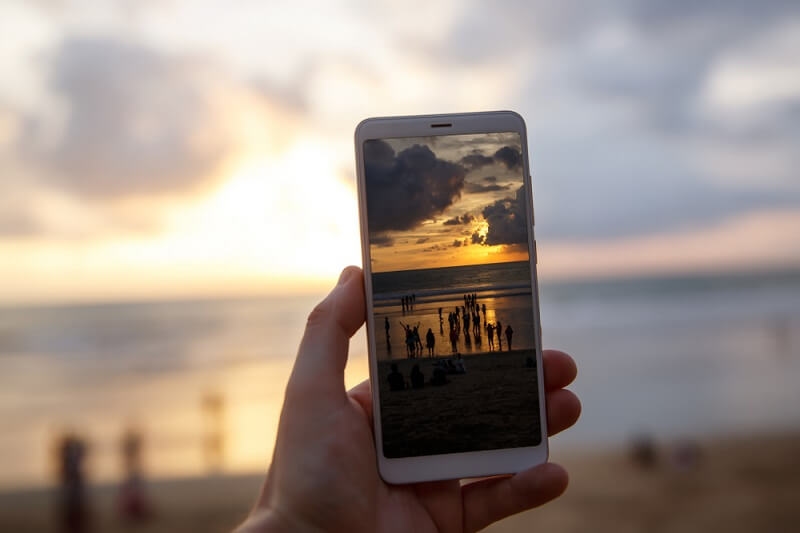
Natural light photography is still one of the most potent ways to create extraordinary portraits that show emotion, clarity, and depth. Whether you are shooting at home self-portraits, experimenting with mirror photography, or just looking into concepts for indoor portraits, understanding how to use natural light photography correctly can completely transform your work. Natural light photography mastery is also crucial in learning techniques about the self-camera and capturing such solo photos that are polished yet natural.
This tutorial will break down everything you need to create breathtaking natural light images, from golden hour photos to understanding natural vs. artificial light, and how to create a reliable outdoor lighting guide for all your shoots.
Natural light photography gives one access to soft, flattering illumination sans any expensive studio gear. For daylight photography, the direction, intensity, and color change throughout the day make it one of the most versatile tools for any photographer. Shooting at home for self-portraits or outside solo photos, natural light gives depth and dimension without using harsh flashes.
It's also perfect for starters, as natural light works more intuitively than artificial lighting. You just learn to watch how the sun falls onto your subject and adjust your position accordingly. As you get better, your mirror photography settings, indoor portrait ideas, and self-camera techniques will be a whole lot easier and more consistent.
Indoor portrait ideas work best if you understand the behavior of natural light inside a controlled environment. Be it self-portraits in your house or editorial-style solo photography, mastering daylight photography direction is where you should start.
The best starting point within indoor natural light photography is window light. Place your subject 45 degrees from the window to achieve soft lighting on the face; this develops a natural contour with dimension, making your solo photos look professionally lit.
Additional lighting tips:
For indoor mirror photography, face the mirror toward the window to bounce soft light onto your subject.
Backlighting provides a soft glow behind the subject and enhances the atmosphere. This will be ideal for artistic self-camera techniques and indoor portrait concepts that are cinematic.
To improve your shots:
Employ natural versus artificial light judiciously—don't use artificial lamps unless balancing color temperature.
At-home self-portraits are popular since they allow creativity without having to leave your space. Natural light photography enhances these portraits, making them feel professional and intentional.
A reflector is the most straightforward means to improve daylight photography, without using sophisticated equipment. It bounces back the natural light, minimizes shadows, and illuminates the subject more.
Good reflector options:
When choosing between natural and artificial, always opt for natural if possible. Artificial light sources generally leave harsh shadows and color casts, unless they are carefully controlled.
Golden hour is the best type of natural light photography. The warm, soft light provided by the sun at sunrise and sunset provides the most flattering skin tones, smooth shadows, and a dreamy light.
But other daylight periods also have value:
Outdoor photography offers endless chances for creative natural light effects. This outdoor lighting guide will help you learn how to use nature as your lighting studio.
Open shade, such as underneath a tree, a building, a porch, or an awning, gives you soft, consistent lighting.
It dampens the contrast and gives your solo photos a beautiful, natural finish. It's just perfect for a beginning learner of self-camera techniques.
Lighting tips for open shade:
Place the sun behind the subject for the halo effect. It works great with at-home self-portraits, either near windows or out in gardens. It also makes solo photos seem dreamy and warm.
Pro trick: Place a reflector or white object in front of your subject to bounce light onto the face.
Even though the leading role here belongs to natural light photography, this perfectly goes in line with creative self-portrait ideas. When both elements merge, your portrait work becomes stronger, expressive, and technically sound.
Mirrors in photography can add dimension, symmetry, and storytelling to your self-portrait ideas. In natural light photography, mirrors will send soft daylight into your face and give you multiple angles of yourself in one frame.
Suggestions for Mirror Shots:
Silhouettes are easy and look spectacular. Shoot directly into the sun on late golden hour. Your body becomes a dark shape against warm sky tones, producing emotional and artistic solo photos.
This will work outside and inside,just position yourself between the camera and a bright window.
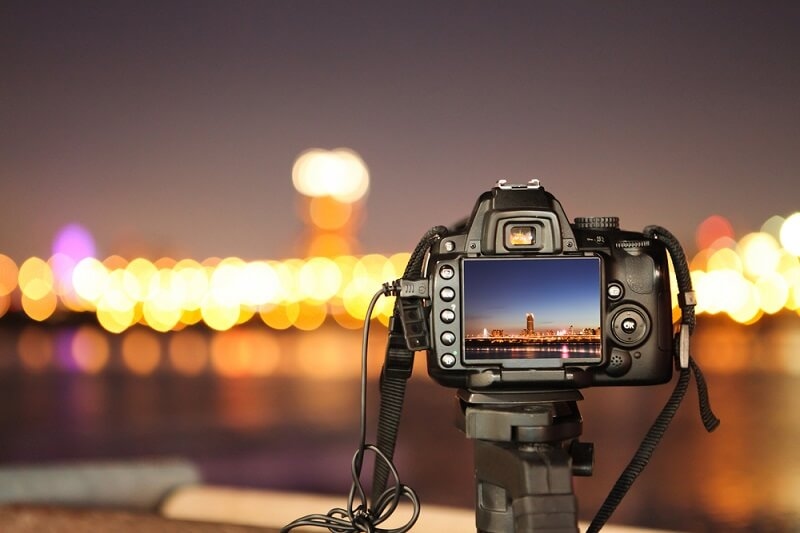
Natural versus artificial light can make all the difference in setting the mood of your portrait. Both have their strengths, but natural light photography is usually softer, easier, and more visually appealing for a beginner or a professional.
With artificial light, one can be assisted where natural light is not available or is not consistent. However, it mostly requires diffusers, softboxes, and reflectors to simulate daylight photography.
Use natural light for photography in everyday portraits, at-home self-portraits, solo shots, and indoor creative portrait ideas. Artificial light is used when complete control over shadows and consistency is needed.
Mastering self-camera techniques will enable you to take professional-quality photos even without a photographer. These methods go perfectly with natural light photography.
Remote shutters avoid camera shake and allow you to focus entirely on posing. They're ideal for solo photos, self-portrait sessions-both outdoors and indoors.
Live view allows you to align your face with natural sources of light, like windows or open shade. It is one of the most reliable self-camera techniques that can provide perfect lighting.
With natural light, props like books, plants, mirrors, hats, or fabric work beautifully. They enhance texture, depth, and atmosphere in self-portraits taken at home.
Whether you're working on creative self-portrait ideas, mastering indoor portrait concepts, or shooting outdoor golden hour photos, natural light photography is one of the most powerful ways to elevate your portraits. You will find that your individual photographs will become bolder, more engaging, and potentially more professional once you have learned some basic tips about light and your own mirror photography and self-timer techniques.
Whether you’re a total newbie or a seasoned creator, learning to work with daylight photography and understanding the subtleties of both natural and artificial light means you can create gorgeous portraits in any setting. Come and learn about natural light-the photos you take will never be the same.
This content was created by AI